
When comparing poly bags vs. shrink wrap, the right choice comes down to how your product is stored, shipped, displayed, protected, and used by the customer. Both are flexible packaging options, and both can help businesses reduce damage, improve presentation, and streamline fulfillment. However, they serve different purposes. Poly bags are often the better option for lightweight, loose, reclosable, or high-volume packaging needs, while shrink wrap is ideal for products that need a tight, tamper-evident seal or a more fitted retail appearance.
For businesses in food service, cosmetics, manufacturing, nurseries, lighting, bakery, pool products, and other industries, choosing between poly bag packaging and shrink wrap is not always obvious. The best solution may depend on cost, moisture protection, durability, shelf appeal, production speed, and whether the package needs to be opened and closed multiple times. In many cases, small packaging adjustments can lead to major savings in time, labor, material use, and product waste.
Poly Bags vs. Shrink Wrap: What Is the Actual Difference?
Poly bags and shrink wrap are both made from plastic films, but they are used in very different ways.
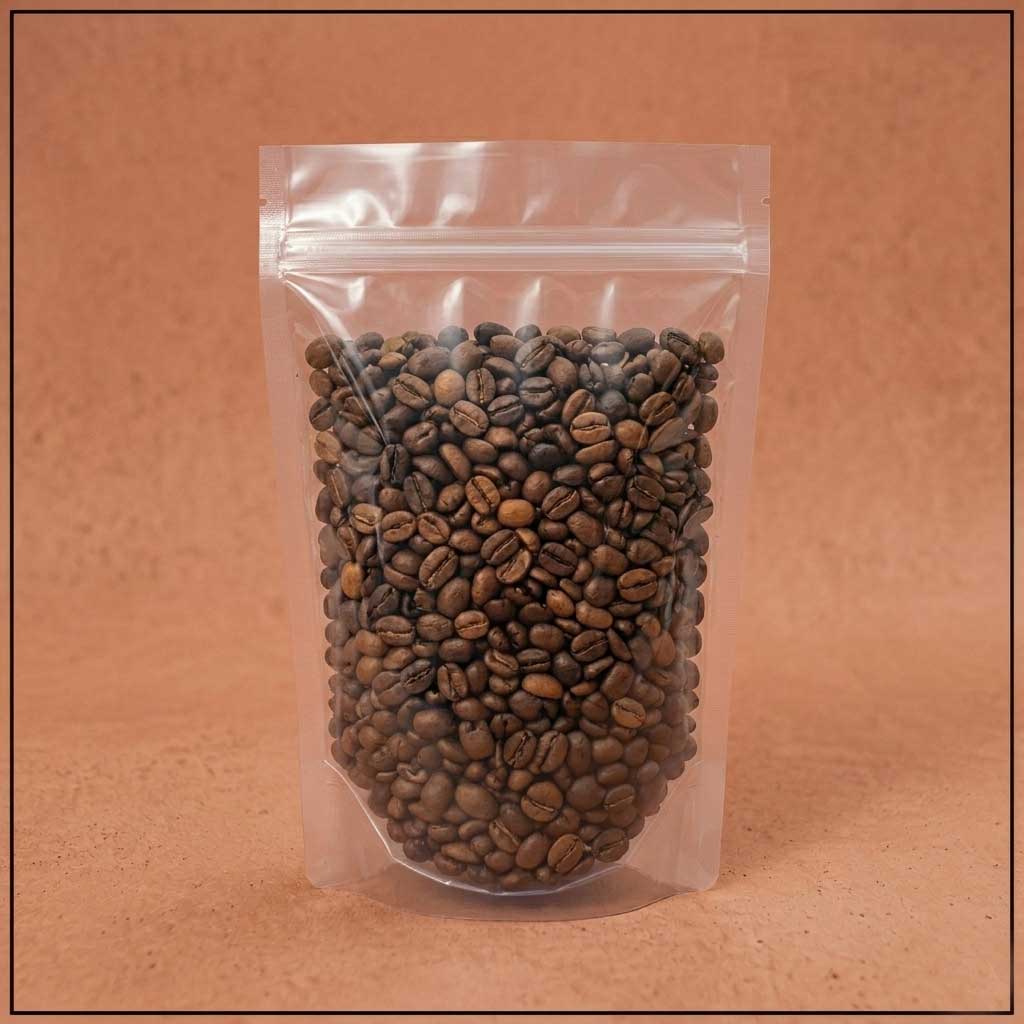
Poly bags are pre-formed bags made from flexible plastic materials, often polyethylene. They may be flat, gusseted, zippered, vented, printed, clear, or custom-sized. Products are placed inside the bag, and the bag can be heat-sealed, twist-tied, taped, stapled, or closed with a zipper or adhesive strip. Poly bags are commonly used when businesses need a simple, affordable, and flexible way to package items of different shapes and sizes.
Shrink wrap, on the other hand, is a plastic film that tightens around a product when heat is applied. The product is wrapped in film, sealed, and then passed through a heat tunnel or treated with a heat gun. As the film shrinks, it forms a close-fitting layer around the product. Shrink wrap is often used for retail display, multipacks, tamper-evident packaging, and products that benefit from a clean, secure, form-fitting presentation. Learn more about flexible packaging film standards from the Flexible Packaging Association.
The biggest differences include:
- Closure style: Poly bags can be open, reclosable, or sealed, while shrink wrap is typically sealed tightly around the product.
- Appearance: Shrink wrap usually creates a more fitted, polished look, while poly bags offer a practical and flexible presentation.
- Equipment needs: Poly bags often require less equipment, while shrink wrap usually requires sealing and heat-shrinking equipment.
- Reusability: Reclosable poly bags can be opened and closed multiple times. Shrink wrap is generally removed and discarded after opening.
- Product fit: Poly bags are better for loose, irregular, or multiple items. Shrink wrap is better for products that need a tight, secure package.
In simple terms, poly bags are more flexible and often more cost-effective for general packaging, while shrink wrap provides a tighter seal and stronger retail presentation.
When Poly Bags Are the Better Flexible Packaging Choice
Poly bags are a popular choice because they are simple, versatile, lightweight, and cost-effective. They can be used for everything from food products and cosmetics to hardware, textiles, nursery products, lighting components, and industrial parts.
A business may prefer poly bags when it needs packaging that is easy to fill, easy to store, and easy to customize. Since poly bags are available in many sizes, thicknesses, closure types, and materials, they can be adapted to a wide variety of product lines without requiring major equipment investments.
Poly bags are often the better choice when:
- Products vary in size or shape.
- Items need to be grouped, sorted, or bundled.
- Customers may need to open and reclose the package.
- Lightweight packaging is preferred for shipping.
- The business needs a low-cost packaging option.
- Packaging speed and ease of handling are priorities.
- The product does not require a tight, molded retail finish.
For example, bakeries may use poly bags for rolls, breads, cookies, or other baked goods. Wholesale nurseries may use poly bags for plant-related products, liners, soil components, tags, or other supplies. Lighting manufacturers may use poly bags to protect parts from dust, scratches, and moisture during shipping. Cosmetic companies may use clear or printed poly bags for samples, accessories, applicators, or promotional kits.
Poly bags are also a practical choice for frozen and fresh food applications when the right material and sealing method are used. They can help keep products protected from external contaminants, reduce freezer burn risk, and make packaging easier to handle during storage and distribution.
Another major advantage is that poly bags can be designed around the product. Options may include:
- Clear poly bags for product visibility
- Printed poly bags for branding
- Zipper bags for repeated use
- Gusseted bags for bulky products
- Vented bags for products that need airflow
- Heavy-duty bags for industrial use
- Custom sizes to reduce material waste
Because poly bags are so adaptable, they are often a strong fit for businesses that package many different SKUs or need a practical solution across multiple facilities.
Industries That Prefer Shrink Wrap Over Poly Bag Packaging
Shrink wrap is often preferred when presentation, tamper protection, and product security are top priorities. It is widely used in retail, food packaging, cosmetics, print products, multipacks, and manufacturing environments where products need to stay tightly bundled.
Industries may choose shrink wrap when the product needs to look neat, sealed, and shelf-ready. The tight fit can help reduce movement inside the package, protect against dust and handling, and make products easier to stack or display. Shrink wrap also works well for bundling multiple items together, such as multipacks, kits, trays, bottles, boxes, and promotional sets.
Shrink wrap is often used for:
- Cosmetics and personal care products
- Frozen and fresh food trays
- Bakery multipacks
- Retail product bundles
- Printed materials
- Bottles and containers
- Lighting products and boxed components
- Pool liners, pool covers, and related accessories
- In-flight catering products
- Industrial products that need secure bundling
For retail applications, shrink wrap can help create a clean, professional appearance. Clear shrink film allows customers to see the product while keeping it sealed. Shrink bands can also be used around caps, lids, jars, bottles, and containers to provide tamper evidence.
Shrink wrap may be the better option when:
- The product needs a tight, fitted package.
- Retail presentation is important.
- Tamper evidence is needed.
- Products must be bundled together securely.
- The package should discourage opening before purchase.
- The product must remain stable during shipping or display.
However, shrink wrap may not be the best choice for every business. It usually requires more equipment than basic poly bagging, and it is not reclosable once opened. Businesses should also consider production speed, heat sensitivity of the product, labor requirements, and material costs before choosing shrink wrap as their primary packaging solution.
How Poly Bags and Shrink Wrap Compare in Cost and Durability
Cost is often one of the first factors businesses consider when choosing flexible packaging. In many cases, poly bags are less expensive upfront because they can be simple to source, store, and use. They may not require a heat tunnel or shrink wrapping system, and many poly bag applications can be handled with basic sealing equipment or manual closure methods.
Shrink wrap may have a higher initial setup cost because businesses often need sealers, heat tunnels, heat guns, or automated equipment. However, shrink wrap can still be cost-effective at scale, especially when it improves product presentation, reduces damage, supports bundling, or speeds up high-volume packaging lines.
From a durability standpoint, the answer depends on the material thickness, film type, product weight, and handling conditions. Poly bags can be made in heavier gauges for demanding applications, making them durable enough for industrial parts, liners, components, and bulkier items. Shrink wrap can provide a strong, tight hold around products, but it may be more vulnerable to punctures if the product has sharp edges or corners.
A quick comparison:
- Poly bags: Lower equipment costs, flexible sizing, reclosable options, strong for loose or varied products.
- Shrink wrap: Higher equipment needs, strong product containment, excellent bundling, clean retail appearance.
- Best for cost savings: Poly bags are often better for simple, high-volume, low-complexity packaging.
- Best for presentation: Shrink wrap often wins when the package needs to look polished and retail-ready.
- Best for irregular items: Poly bags typically handle odd shapes more easily.
- Best for tight bundling: Shrink wrap is usually the stronger choice.
The most cost-effective choice is not always the cheapest material. It is the packaging that reduces labor, prevents damage, protects the product, fits the workflow, and supports the customer experience.
Reclosable Poly Bags vs. Sealed Shrink Bands for Retail Products
Retail packaging often needs to do more than hold a product. It needs to support branding, protect the item, communicate freshness or safety, and make the customer feel confident about the purchase. This is where reclosable poly bags and sealed shrink bands serve very different roles.
Reclosable poly bags are ideal when the customer will use part of the product and store the rest for later. This makes them a strong choice for items such as baked goods, small parts, cosmetic accessories, nursery items, hardware, food products, and kits. A zipper or adhesive closure can improve convenience and help extend usability after purchase.
Sealed shrink bands are different. They are commonly used to show that a product has not been opened. A shrink band around a cap, lid, jar, or container gives customers visible confirmation that the package is intact. Once removed, the band cannot be reapplied in the same way, which makes it useful for tamper-evident retail packaging.
Reclosable poly bags are better when:
- Customers need repeated access to the product.
- Convenience is part of the product experience.
- The product will be stored after opening.
- The package needs to hold multiple small items.
- The product benefits from flexible handling.
Sealed shrink bands are better when:
- Tamper evidence is important.
- The product has a lid, cap, or closure.
- The item needs a secure retail seal.
- The package should discourage product sampling or opening.
- A polished, safety-focused presentation is desired.
Some businesses may even use both solutions together. For example, a product may be placed in a poly bag for protection and then sealed with a shrink band or shrink wrap for retail presentation. The best choice depends on how the product is sold, shipped, opened, and stored.
Moisture and Tamper Protection: Which Flexible Packaging Wins
Moisture protection is a major concern for many businesses, especially those in food, bakery, frozen, fresh, cosmetic, nursery, and manufacturing industries. Both poly bags and shrink wrap can help protect products from moisture, dust, dirt, and handling, but they do so in different ways.
Poly bags can provide strong moisture resistance when made from the right material and properly sealed. A heat-sealed poly bag can help protect products during storage and shipping, while a reclosable bag can provide ongoing protection after the customer opens it. For products that need ventilation, vented poly bags can help manage airflow while still offering containment.
Shrink wrap creates a tight barrier around the product and can help protect against dust, moisture exposure, and handling during display or distribution. It is especially useful when products need to stay bundled or when a retail item needs an outer protective layer. However, shrink wrap may not be ideal for every moisture-sensitive product, especially if the seal design does not fully enclose the item or if the product requires breathable packaging.
For tamper protection, shrink wrap and shrink bands usually have the advantage. A sealed shrink band around a lid or cap provides visible evidence if someone has opened or interfered with the product. Full shrink wrap can also discourage handling and opening before purchase.
Poly bags can offer tamper resistance when heat sealed or combined with security features, but reclosable poly bags are not usually considered tamper-evident on their own. If tamper evidence is a key requirement, shrink bands, full shrink wrap, or a sealed poly bag design may be the better route.
In general:
- For moisture resistance: Both can work well when properly selected and sealed.
- For ongoing customer storage: Reclosable poly bags are often better.
- For tamper evidence: Shrink bands and shrink wrap usually win.
- For breathable packaging: Vented poly bags may be preferred.
- For retail confidence: Shrink wrap often provides a stronger visual seal.
FAQ
Are poly bags cheaper than shrink wrap?
Poly bags are often cheaper for basic packaging because they usually require less equipment and are easy to fill, seal, and store. Shrink wrap may cost more upfront due to equipment needs, but it can be cost-effective for retail packaging, bundling, and high-volume production.
Is shrink wrap better for retail products?
Shrink wrap is often better for retail products that need a tight, polished, tamper-evident appearance. It works especially well for multipacks, containers, trays, bottles, boxes, and products that should not be opened before purchase.
Can poly bags protect products from moisture?
Yes. Poly bags can provide excellent moisture resistance when made from the right material and sealed properly. They are commonly used for food, bakery, frozen, fresh, cosmetic, nursery, and industrial applications.
Are poly bags reclosable?
Some poly bags are reclosable, especially zipper bags and adhesive-seal bags. These are useful for products that customers may open and store again, such as baked goods, small parts, accessories, and certain food products.
Does shrink wrap provide tamper protection?
Shrink wrap and shrink bands can provide strong tamper-evident protection. If a shrink band around a lid, cap, or container is broken, customers can clearly see that the product may have been opened.
Which option is better for irregularly shaped products?
Poly bags are usually better for irregularly shaped products because they are flexible and available in many sizes and styles. Shrink wrap can work for some irregular items, but sharp edges or unusual shapes may require special film or package design.
Can a business use both poly bags and shrink wrap?
Yes. Some businesses use poly bags for product containment and shrink wrap or shrink bands for tamper evidence, bundling, or retail presentation. Combining both can be a smart solution when products need protection, convenience, and shelf appeal.
Choose the Right Flexible Packaging Partner
The right packaging choice can save your business time, reduce waste, protect your products, and improve the customer experience. Whether you need poly bags, shrink wrap, shrink bands, custom flexible packaging, or help redesigning your current packaging process, GMR Packaging Corp. is ready to help.
We are your nationwide packaging supplies supplier. With numerous manufacturing plants and distribution centers, we can provide packaging supplies to facilities across the U.S. Every product is made with quality in mind, and our team stands behind every product we sell.
We currently serve a wide range of industries, including Cosmetic, Frozen & Fresh Food, In-Flight Caterers, Bakeries, Wholesale Nurseries, Lighting Manufacturers, Pool Liner and Pool Cover Manufacturers, and more. We have helped many customers save time and money by making subtle changes or redesigning their current packaging.
Need help deciding between poly bags and shrink wrap for your business? Request a quote from us today and find the right flexible packaging solution for your products, your workflow, and your bottom line.